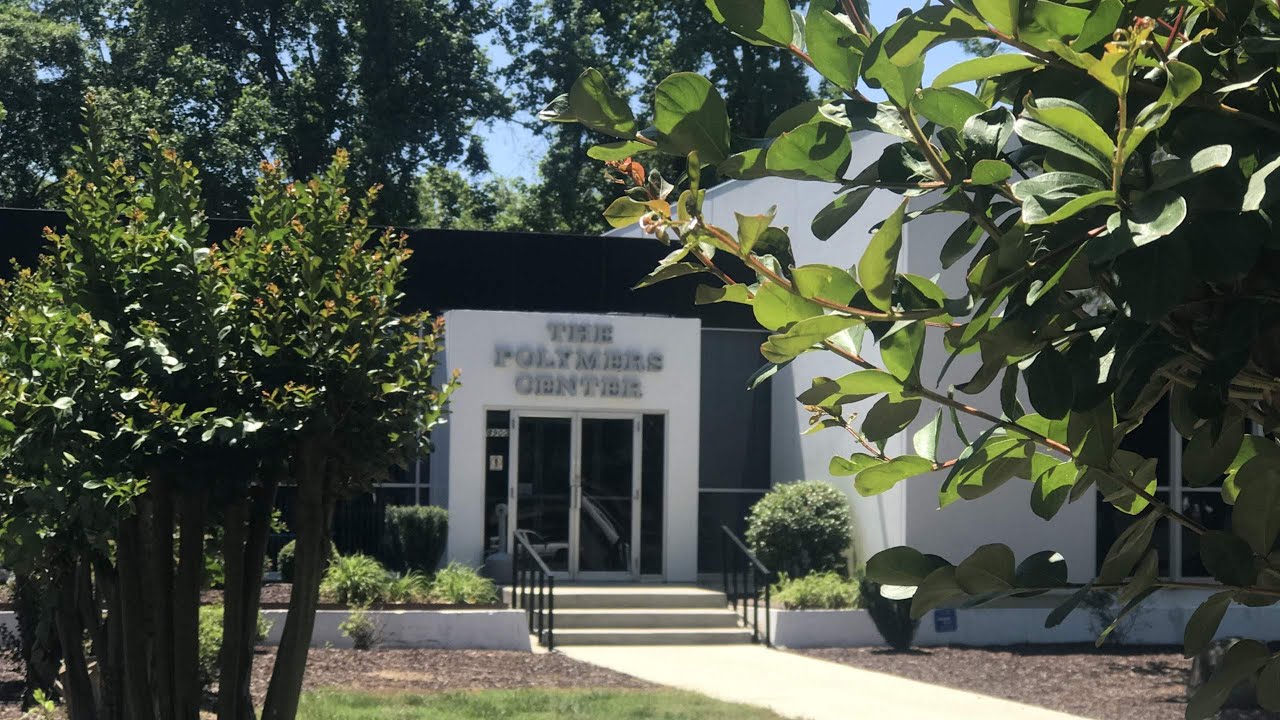
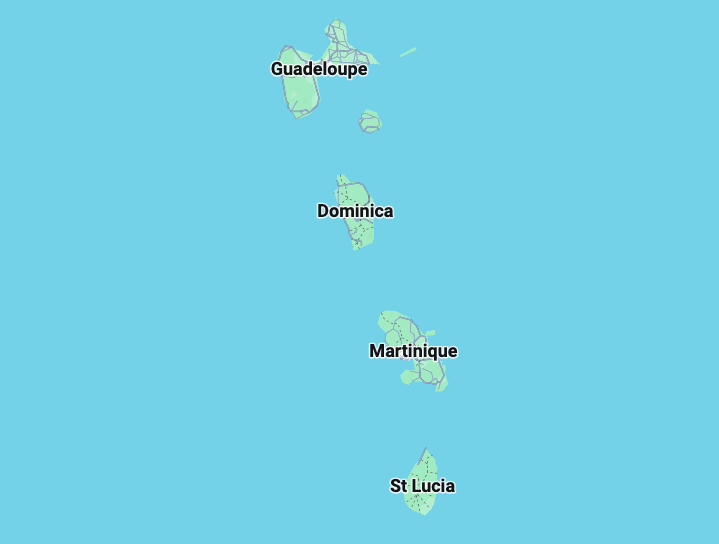
The Performance Materials Lab (PML) at UNC Charlotte is thrilled to announce a significant expansion of our global water quality initiative. Following our successful campaign in the Caribbean, we are turning our gaze to the South Pacific in a new collaboration with Dr. Ulyana Nadia Horodyskyj.
We are preparing to receive and test samples from a new expedition to French Polynesia, expanding our scope beyond Tahiti to include Huahine, Bora Bora, Ra’iatea, and the remote atoll of Fakarava.
The Mission: Hunting for “Forever Chemicals” in Paradise
As the analytical partner for this expedition, the PML team at UNC Charlotte is excited to apply our resources to these unique samples. Our specific focus will be screening these remote waters for:
- PFAS: Determining if per- and polyfluoroalkyl substances (often called “forever chemicals”) have permeated these isolated island chains.
- Microplastics: Quantifying the presence of synthetic debris to understand the reach of global ocean currents.
The Hypothesis of Isolation
This journey represents a shift from the semi-industrialized waters of the Antilles to some of the most isolated marine environments on Earth. The islands of French Polynesia serve as a unique natural laboratory due to their extreme distance from major continental landmasses.
Our previous research in the Caribbean highlighted the immediate impacts of agricultural runoff and local tourism. In contrast, this project offers an opportunity to test a critical hypothesis: How does extreme geographic isolation affect baseline water quality across varying degrees of local development?
We are looking for two key metrics:
- Background Chemical Composition: We expect to see significantly lower levels of terrigenous (land-based) contaminants compared to our Caribbean samples.
- Global Transport vs. Local Source: While we anticipate chemically cleaner water, finding microplastics in the UNESCO biosphere reserve of Fakarava would be a sobering indicator of the pervasiveness of global ocean currents in transporting waste, regardless of local population density.
Destination: A Transect Across the Archipelago
The sampling protocol designed by Dr. Horodyskyj and the team has evolved to capture a diverse range of environments. We will move from the economic heart of the region to the “outer” islands, creating a comparative dataset:
- Bora Bora (Tourism Impact): Famous for its luxury overwater bungalows, Bora Bora allows us to study water quality in a semi-enclosed lagoon system heavily utilized by high-end tourism.
- Huahine & Ra’iatea (Agricultural & Mixed Use): These islands offer a middle ground—less developed than Tahiti but distinct in their agricultural and residential footprints. Ra’iatea, sharing a lagoon with Taha’a, presents a unique hydrological system for study.
- Fakarava (The Pristine Control): Leaving the Society Islands for the Tuamotu Archipelago, the team will sample Fakarava. As a UNESCO Biosphere Reserve, this atoll represents our “pristine” control, offering a look at what Pacific water chemistry looks like with minimal human interference.
A Global Baseline
By comparing the data from this multi-island Pacific expedition with our Atlantic/Caribbean datasets, we aim to build a comprehensive global picture of coastal water health. We are eager to see if the “wilds” of the Pacific are as pristine as they appear, or if the footprint of modern civilization—in the form of PFAS and microplastics—has reached even these distant shores.
Stay tuned for updates as the team packs their gear and heads for the Southern Hemisphere.